
Omega-3 fatty acid is an important fat substance, mainly termed as polyunsaturated fatty acid and it has significant contributions on health. It has found that fat is the only nutrients which provide high calorie (about 9.3 kcal of energy is obtained from 1g of fat) and this calorie is utilized by the body for performing their regular tasks. Vitamin A, D, E, and K cannot be absorbed in the body without fat, as they all are fat soluble vitamins hence for making them active and functioning fat is essentially required. Fat is also found in the adipose tissue (beneath the skin) where it acts as an insulator and helps to warm the body. Fat is necessary to support the growth of cells, to synthesize hormones and bile, facilitate the absorption of other nutrients and for performing many other vital functions.
Some important information regarding Omega-3 fatty acid
- Fats are chemically known as esters and made up of fatty acids and glycerol and Omega 3 is a fatty acid, a vital constituent of fat.
- Fatty acids are mainly of two types, which are – saturated fatty acids and unsaturated fatty acids. The below table shows the classification of fatty acids–

- Unsaturated fatty acids are comparatively healthier than saturated one. It has shown that increase in un-saturation (number of double bonds) is related with increasing the quality of fat. Hence it can be stated that among all fatty acids, polyunsaturated fatty acids are more health worthy and omega-3 fatty acid is a polyunsaturated fatty acid
- Basically, three important fatty acids named alpha linolenic acid (ALA), ecosapentanoic acid (EPA) and decosa hexanoic acid (DHA) are together known as Omega-3 fatty acids
- ALA is an essential fatty acid that means it cannot be synthesized by body hence it should be consumed through diet. EPA and DHA can be converted in small extent from ALA within the body but it is beneficial to consume all these three fatty acids from foods or supplements to increase the level of omega-3 fatty acid in body
Sources
The richest sources of omega-3 fatty acids are listed below-
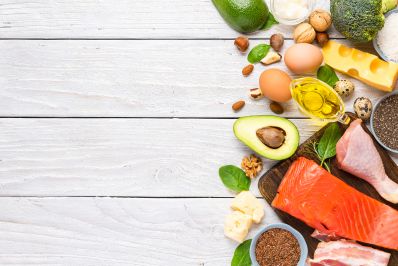
- Fishes including salmon, herring, oysters, caviar, sardines
- Fish oil which include cod liver oil
- Seaweed
- Flax seeds
- Hemp seeds
- Walnuts
- Soybean and soy product
- Kidney beans
- Algae oil
Needs of using omega-3 fatty acid
It should be consumed to achieve a good cardiac, mental and hepatic health, brain development and to prevent the risk of developing chronic diseases as well as metabolic disorders.
Health benefits
Role on heart
- Various epidemiological studies have shown that the risk of heart attacks or strokes are comparatively low among those people who are on a diet that contain fishes (Aung et al., 2018). Later it had discovered that omega-3 fatty acid content of fish is responsible for lowering this risk.
- Omega-3 fatty acid has cardio protective action as it is associated with reducing blood pressure and helps to prevent plaque formation within heart by protecting the arteries from damages and keeping it smooth, which is considered as one of the most important feature of healthier heart
- It helps to prevent the clumping up of platelets hence inhibits unnecessary blood clots resulting in smooth blood circulation throughout the body
- It helps to reduce the blood cholesterol and triglyceride level that are responsible for reducing the risk of fat deposition within blood vessels and coronary artery and promotes cardiac health
Role on Lipid profile
- It helps to reduce the level of triglyceride by 15 to 30 % and it also able to reduce the level of low-density lipoprotein (LDL)
- It is associated with increasing the level of high-density lipoprotein (HDL) which is termed as good cholesterol and helps the body to utilize this good cholesterol for synthesizing bile and several hormones
- Maintaining of this lipid profile is beneficial for health especially for cardiac and hepatic health
Significant role on pregnancy
- Several studies have shown that consumption of omega-3 fatty acid is extremely beneficial during pregnancy (Middleton et al., 2018)
- Omega-3 fatty acid contains decosa hexanoic acid (DHA) which is an important PUFA that promotes the growth and development of brain. It has estimated that about 40% of human brain growth is caused by DHA
- It has found that women who consume omega-3 fatty acid through their daily diet or supplements during pregnancy are prone to give birth to babies of superior intelligence, good social and communication skills. It is moreover associated with decreasing the risk of autism, developmental delaying and cerebral palsy
Role on children health
- It helps to prevent some harmful diseases among children which include asthma, coughing, common colds and flu
- It is also associated with reducing the risk of developing Attention Deficit Hyperactivity Disorder (ADHD) and improves compulsiveness, restlessness and inattention among children
- DHA and EPA present in omega-3 fatty acid are responsible for improving the cognitive abilities and skills among them by promoting proper growth of central nervous system
Role on mental health
- Various epidemiological studies have shown that individuals who consume omega-3 fatty acid have less anxiety and depression among them. EPA present in omega 3 fatty acid is responsible for preventing sadness, leathery, nervousness and general panic (Cederholm, 2017)
- It also helps to prevent psychological complications by inhibiting aggressive behavior and mood swing
- It helps to improve the functioning of brain and inhibit the risk of developing Alzheimer’s disease
Role on preventing metabolic disorders
- Metabolic disorders are a common health threatening issues throughout the world. Metabolic disorders are characterized by an adverse health condition caused by improper metabolic processes which include obesity, diabetes, hypertension, excessive fat deposition within internal organs, cardiac diseases and hormonal abnormalities
- It has found that Consumption of omega-3 fatty acid is found to improve insulin resistance and helps to prevent diabetes
- It plays important role on lowering LDL, triglyceride level and improving HDL status within body and hence inhibit cardiac problems
- It can increase the basal metabolic rate of body and prevents fat deposition which is associated with decreasing the concentration of visceral fat and the incidence of obesity
Other important functions
- It helps to improve the eye health. DHA of Omega-3 fatty acid is an essential component of retina and associated with enhancing vision.
- It helps to protect liver from damage by preventing fatty infiltration within liver cell and hence decreases the prevalence of fatty liver and necrosis of hepatic cells
- It can prevent autoimmune disorders
- It helps to improve the health of skin
- It can prevent the risk of developing cancers
It can be easily implicit that consumption of omega-3 fatty acid has enormous importance. One can consume it through diet or supplementary products to achieve a good health.

References and further reading
These references were supplied with the article and are provided so readers can examine the supporting material.
- Albracht-Schulte, K., Kalupahana, N.S., Ramalingam, L., Wang, S., Rahman, S.M., Robert-McComb, J. and Moustaid-Moussa, N., 2018. Omega-3 fatty acids in obesity and metabolic syndrome: a mechanistic update. The Journal of nutritional biochemistry, 58, pp.1-16.
- ASCEND Study Collaborative Group, 2018. Effects of n− 3 fatty acid supplements in diabetes mellitus. New England Journal of Medicine, 379(16), pp.1540-1550.
- Aung, T., Halsey, J., Kromhout, D., Gerstein, H.C., Marchioli, R., Tavazzi, L., Geleijnse, J.M., Rauch, B., Ness, A., Galan, P. and Chew, E.Y., 2018. Associations of omega-3 fatty acid supplement use with cardiovascular disease risks: meta-analysis of 10 trials involving 77 917 individuals. JAMA cardiology, 3(3), pp.225-233.
- Cederholm, T., 2017. Fish consumption and omega-3 fatty acid supplementation for prevention or treatment of cognitive decline, dementia or Alzheimer's disease in older adults–any news?. Current Opinion in Clinical Nutrition & Metabolic Care, 20(2), pp.104-109.
- Mason, R.P. and Sherratt, S.C., 2017. Omega-3 fatty acid fish oil dietary supplements contain saturated fats and oxidized lipids that may interfere with their intended biological benefits. Biochemical and biophysical research communications, 483(1), pp.425-429.
- Middleton, P., Gomersall, J.C., Gould, J.F., Shepherd, E., Olsen, S.F. and Makrides, M., 2018. Omega‐3 fatty acid addition during pregnancy. Cochrane Database of Systematic Reviews, (11).
- Mori, T.A., 2017. Marine OMEGA-3 fatty acids in the prevention of cardiovascular disease. Fitoterapia, 123, pp.51-58.
- Nordgren, T.M., Lyden, E., Anderson-Berry, A. and Hanson, C., 2017. Omega-3 fatty acid intake of pregnant women and women of childbearing age in the United States: potential for deficiency?. Nutrients, 9(3), p.197.
- Rhee, J.J., Kim, E., Buring, J.E. and Kurth, T., 2017. Fish consumption, omega-3 fatty acids, and risk of cardiovascular disease. American journal of preventive medicine, 52(1), pp.10-19.