Attention deficit hyperactivity disorder, Inattention, Hyperactive, Childhood disorder, Impaired concentration, Impulsive
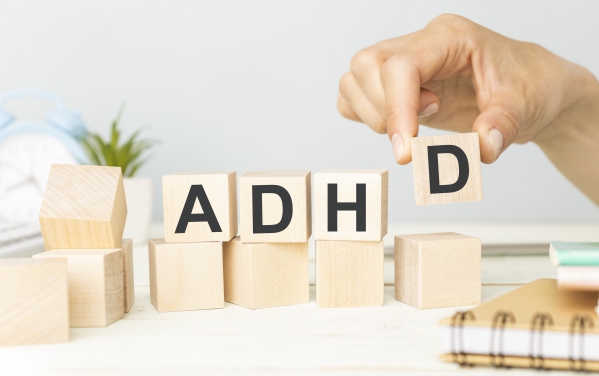
Description : Attention deficit hyperactivity disorder (ADHD) is a chronic condition which affects children
Article Details :
What is attention deficit hyperactivity disorder?
Attention deficit hyperactivity disorder (ADHD) is a chronic condition which affects children resulting in difficulty maintaining concentration, impulsive behaviour with or without hyperactivity. This condition may continue into adulthood. Children affected by ADHD often performs poorly at school, have low self-esteem and have difficulty in building and maintaining relationships.
In the United States, 6.1 million children aged 2-17 years were diagnosed with ADHD and 5.4 million children already had ADHD in the year 2016. From the year 1998-2009, the percentage of children diagnosed with ADHD has increased by 7-9%. Males are 3-5 times more commonly affected by ADHD than females.
Unfortunately, there is no cure foe ADHD. However, there are medications and behavioural therapies that can be used to relieve the symptoms associated with ADHD. Seeking medical advice and getting the appropriate treatment early can make a big difference in the outcome.
What are the risk factors for ADHD?
The exact cause of ADHD is still not known. However, there are some factors which may increase your risk of developing ADHD and these include:
- Family history: Having a parent or sibling affected by this condition increases your risk of developing ADHD.
- Maternal drug abuse during pregnancy
- Maternal alcohol abuse during pregnancy
- Being born prematurely
- Sex: Males are 3-5 times more at risk of developing ADHD than females.
What are the signs and symptoms of ADHD?
ADHD exists in mainly 3 basic forms including predominantly inattentive, predominantly hyperactive/impulsive and combined.
Inattentive
People affected by the inattentive form of ADHD experience signs and symptoms such as:
- Difficulty maintaining concentration or attention while performing tasks or play activities.
- Fails to give close attention to details.
- Makes careless mistakes in schoolwork or work.
- Often seems not to listen to what is being said.
- Strongly dislikes or avoids tasks that require sustained mental effort.
- Forgetfulness during daily activities.
- Often loses belongings.
- Easily distracted.
- Difficulty to organise activities or tasks.
Hyperactivity and impulsivity
People affected by the hyperactivity/impulsivity form of ADHD experience signs and symptoms such as:
- Squirming in seat.
- Fidgeting with or tapping hands or feet.
- Leaving seat in situations where remaining seated is expected.
- Running about excessively in situations where this behaviour is inappropriate.
- Climbing excessively in situations where this behaviour is inappropriate.
- Talkative.
- Unable to remain still for a prolonged period of time.
- Cannot engage in leisure activities quietly.
- Cannot wait in lines or waiting turn in games.
- Excessive interruption during conversations.
- Blurting out answers before the questions are asked completely.
- Intrude in others’ activities or games.
- Is constantly “on the go”.
It is important to note that children are naturally inattentive, impulsive or hyperactive at one time or another. Just because a child is different from their sibling or friends does not mean that they have ADHD. There are children who are inattentive or hyperactivities at home but does very well at school and have good relationships with friends or family members. If you have any concerns that your child may be suffering from ADHD, it is very important for you to visit your paediatrician or family doctor.
There are other conditions which may resemble ADHD and these include:
- Bipolar disorder
- Anxiety disorders
- Depression
- Post-traumatic stress disorder (PTSD)
- Sleep-wake disorders
- Dysthymic disorder
- Thyrotoxicosis
- Hyperthyroidism

Making a diagnosis
To make a diagnosis, your doctor will first take a detailed history from you to know more about the symptoms of your child. Your doctor will observe your child very carefully while he/she is in the consultation room to look for signs of ADHD. The symptoms of ADHD should be present before the age of 12 and observed both at school and at home for the diagnosis of ADHD to be considered. Your doctor may order some tests in order to confirm the diagnosis or rule out other disorders and these include:
- Complete blood count (CBC)
- Electrolyte levels
- Liver function tests (LFT)
- Thyroid function test: This test is done to determine whether the thyroid gland is functioning properly as hyperthyroidism can result in signs and symptoms similar to ADHD.
- Questionnaires: There are several questionnaires that are available to teachers and parents which may be helpful in diagnosing ADHD. An Read more