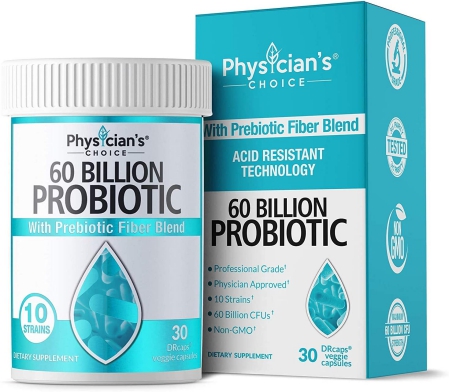
Probiotics are living beneficial microorganism especially yeast and bacteria present in foods or natural supplements. These active microbes present in probiotic are good for health, they make the intestine healthy. There are some foods that acts as the natural food source of probiotics that include cheese, yogurt, miso, consumption of such foods is sufficient to meet the need of probiotic within body and probiotic can also be supplemented. It acts as one of the most significant natural health supplements of achieving great health. Currently, different brands of probiotics are becoming available on the market with different CFU contents. CFU stands for Colony Forming Unit, which is defined as the total number of active or living microorganism present in each serving. Probiotics have various health importance and purely have the capacity to enhance the overall healthiness of the body.
What the probiotics actually are?
Basically, foods or supplements which are containing living microorganism are generally called probiotics. These are beneficial for health, especially for the digestive system. Consumption of probiotic is associated with enhancing and restoring the gut flora and improves the entire health of gastrointestinal tract. Apart from digestive system, probiotics are found to be beneficial for immune function, heart, mental health and weight reduction. It is beneficial to consume probiotic from natural source (food stuffs) daily for promoting the digestive health, but it can be also through probiotic supplements. Several researches have shown that it is beneficial to consume those probiotic products, which contain 1 billion colony forming unit minimum.
Source of probiotics
Probiotics are naturally occurring in some foods especially in fermented food which include –
- Yogurt
- Miso
- Pickle
- Tempeh
- Cheese
- Sour dough bread
- Kefir
- Sauerkraut
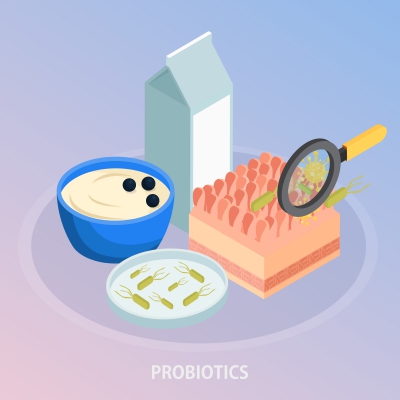
All of these are the natural source of probiotics and consumption of the above stated food items are associated with providing adequate amount of living and active microbe especially helpful bacteria and yeast within the body. Tough probiotics are available as probiotic supplemented products and consumption of these products also able to supply living and beneficial microbes within body.
Preparation of probiotics
- Probiotics are mainly prepared by the fermentation process.
- Fermentation is a metabolic process, where the microbe breaks the complex food substances into a simple form and it is coupled with producing alcohol
- Fermentation is related with enhancing the nutritive value of any food substances by many folds. Fermented products are easy to digest. It helps to supple living bacteria and yeast within body, where the microbes are found to restoring the gut flora and promoting the entire health of gastrointestinal tract.
- Basically, the probiotics are prepared by introducing living culture of microbes within the food stuffs. Then incubated for minimum 24 hours at 37° C
- Fermentation occurred and produce the end fermented product, which is termed as fermented products or probiotics
- Commonly ten strains of microbes are used as starter culture for producing probiotics, which include Lactobacillus acidophilus, Lactobacillus paracasei, Lactobacillus salivarius, Lactobacillus casei, Lactobacillus plantarum, Bifidobacterium bifidum, Bifidobacterium longum, Lactobacillus bulgaricus, Bifidobacterium breve and Bifidobacterium lactis
- Mainly, the genus Lactobacillus or Saccharomyces boulardii, or Bifidobacterium are the most commonly used microbes for probiotics preparation
The significance of using probiotics
- It should be used for preventing gastrointestinal disorders that include irritable bowel syndrome, inflammatory bowel syndrome, diarrhea and constipation. It improves the digestive capacity and enhance the overall health of gastrointestinal tract
- It can be consumed to restore and promote the gut flora
- It is beneficial to consume for those who are on antibiotics. As antibiotic causes destruction of microbes (harmful and helpful both) leading to decreasing the number of beneficial microbes present in gut. Hence, consumption of probiotic can restore it
Health benefits of Probiotics
Role on gastrointestinal tract
- Studies has exposed that these are essential for improving the health of digestive system by improving digestive capacity
- It helps to reduce the incidence of flatulence, bloating, diarrhea, constipation.
- It is seen that prolong consumption of antibiotic causes destruction of intestinal bacteria hence it causes digestive difficulty leading to diarrhea or constipation. Consumption of probiotic can be able to reduce the incidence of diarrhea
- Stress is responsible for altering the ratio of good to bad microbes in gut and causes various gastrointestinal disorders. Consumption of probiotic can easily inhibit these complications
Role on mental health
- Recent studies have uncovered that consumption of these supplements for more than one to two months can improve some mental conditions like, depression, anxiety, obsessive compulsive disorder
- It helps to improve memory
Role on preventing atomic dermatitis
- Recent studies have exposed that probiotics play important role on preventing atomic dermatitis by immunomodulatory effect
- It has estimated that individual who consume probiotics has lesser risk of developing this disease
Role on immune system
- It helps to boosting up the immune system
- It is responsible for preventing the growth of harmful microorganism within the body
- Several researches have shown that consumption of probiotics is coupled with increasing the synthesis of immunoglobulin, killer cell and lymphocyte, which is related to enhancing the resistant power of the body and inhibits the susceptibility of infectious diseases.
- Consumption of these are responsible for inhibiting several infections, especially respiratory infections and allergies
Others health benefits
- Probiotics help to reduce the level of urea hence it is beneficial for those who are suffering from chronic renal disorders (non-dialysis). It has also found that it can reduces the level of blood urea nitrogen among CKD stage three and stage four patients
- Recent researches have exposed that it can reduce the fasting blood sugar level and increases insulin level and its affectivity hence related with reducing the susceptibility of diabetes mellitus
- It is related with inhibiting dental carries, oral malodor and periodontal diseases
Advantages and disadvantages of using Probiotics
| Advantages | Disadvantages |
| It has less side effects, some people often experience nausea, bloating and flatulence |
How should one know whether the probiotic is working properly or not within the body
It is beneficial to know whether the consumed probiotic properly working or not. If it has found that it was not working properly then it will cause various adverse effects. To avoid adverse health issues, one should know the proper utilization of probiotics. There are some symptoms that prove that it has working properly, these symptoms include –
- Increasing the energy status of the body
- Lesser craving for carbohydrate
- Reduction in body weight
- Proper and regular bowel movement
- Decrease in anxiety
- Enhancing immune response and body resistance capacity
- Reduces the risk of developing common colds, infections and flu
- Achieving a better mood
- Inhibiting the incidence of seasonal allergies
- Decreasing the incidence of bloating, flatulence, diarrhea and constipation
References and further reading
These references were supplied with the article and are provided so readers can examine the supporting material.
- Ambalam, P., Raman, M., Purama, R.K. and Doble, M., 2016. Probiotics, prebiotics and colorectal cancer prevention. Best practice & research Clinical gastroenterology, 30(1), pp.119-131.
- Islam, S.U., 2016. Clinical uses of probiotics. Medicine, 95(5).
- Kerry, R.G., Patra, J.K., Gouda, S., Park, Y., Shin, H.S. and Das, G., 2018. Benefaction of probiotics for human health: A review. Journal of food and drug analysis, 26(3), pp.927-939.
- Markowiak, P. and Śliżewska, K., 2017. Effects of probiotics, prebiotics, and synbiotics on human health. Nutrients, 9(9), p.1021.
- Quigley, E.M., 2019. Prebiotics and probiotics in digestive health. Clinical Gastroenterology and Hepatology, 17(2), pp.333-344.
- Reid, G., 2016. Probiotics: definition, scope and mechanisms of action. Best practice & research Clinical gastroenterology, 30(1), pp.17-25
- Sánchez, B., Delgado, S., Blanco‐Míguez, A., Lourenço, A., Gueimonde, M. and Margolles, A., 2017. Probiotics, gut microbiota, and their influence on host health and disease. Molecular nutrition & food research, 61(1), p.1600240.
- Szajewska, H., Canani, R.B., Guarino, A., Hojsak, I., Indrio, F., Kolacek, S., Shamir, R., Vandenplas, Y., van Goudoever, J.B. and Weizman, Z., 2016. Probiotics for the prevention of antibiotic-associated diarrhea in children. Journal of Pediatric Gastroenterology and Nutrition, 62(3), pp.495-506.