Buckwheat, phytonutrient contents, micronutrient contents and rutin content
Description : Buckwheat is known as a pseudocereal as it does not grow on grasses. This grain is rich in several
Article Details :
Buckwheat is known as a pseudocereal as it does not grow on grasses. This grain is rich in several micronutrients and phytonutrients and exclusively enriched in rutin (an antioxidant), which offer numerous health benefits.
Characteristics
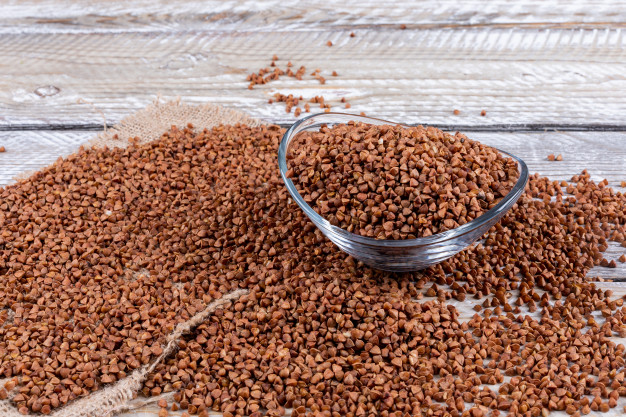
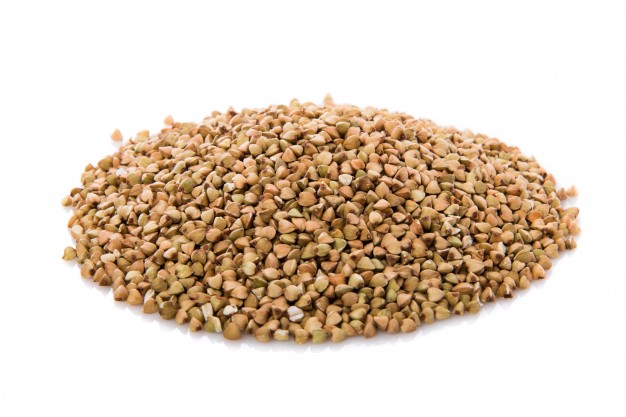
- It has a unique trigonal shape
- It is not grass hence it is not related to wheat, whereas it is related with knotweed, sorrel and rhubarb
- It contains salicylaldehyde, which is responsible for its characteristic aroma
Nutritional significance
It contains various important nutrients, which have profound health benefits.
Below chart will give an overview of the nutritional significance of buckwheat –
Carbohydrate
- It contains desirable amount of carbohydrate especially rich in complex carbohydrate
- It basically comes in the form of starch
- It has medium glycemic index hence its consumption does not increase too much glycemic load
Fibre
- It contains significant amount of soluble and insoluble fibre and especially loaded with lignin and cellulose
- Fibre of buckwheat is also responsible for its flavor
- This fibre content of buckwheat has profound health benefits and helps to promote digestive health and cardiac health
- It reduces the risk of developing diabetes, hypercholesterolemia, constipation and obesity
- It also contains resistant starch in its husk. This resistant starch is fermented by intestinal flora as a result short chain fatty acid is produced (like butyrate). This short chain fatty acid provides proper nourishment to the lining of colon thus promotes colonic health and also inhibits the risk of developing colon cancer
Protein
- It contains lesser amounts of protein but significantly rich in the amino acid arginine
- Though the protein found in buckwheat has lower digestibility as it contains various anti nutritional factors like tannin, protease inhibitor, which interfere with the utilization of nutrients hence it is better to consume buckwheat after eliminating these factors by soaking it for a particular period of time before processing or cooking
- It is also gluten free thus it can be easily consumed by those individual who suffer from celiac disease
- Proteins of buckwheat plays significant role in reducing the risk of developing gall stone
- It also helps to regulate blood cholesterol concentration
Fat
- It contains very less amount of fat and basically contains unsaturated fatty acid
- Its fat content is accountable for proving energy and also exerts cardio protective effects due to the presence of MUFA and PUFA
Micronutrients
- It contains numerous vitamins and minerals and significantly rich in copper, magnesium, manganese, phosphorus, iron and B vitamins
- Copper content is responsible for promoting the synthesis of RBC and also enhances cardiac functionality
- Its magnesium content plays imperative role in boosting up the metabolism and the activity of nervous system. It also helps to decrease the susceptibility of developing metabolic syndrome
- Manganese of buckwheat plays vital role in supporting the overall growth and development of body
- Iron content also helps in the synthesis of RBC and hemoglobin and helps to prevent the prevalence of anemia
- Phosphorus present in buckwheat helps in the growth as well as maintenance of body tissue. It also helps to strengthen the skeletal system of the body
Biological active compounds
- It contains numerous biological active compounds, which include quercetin, rutin, D-chiro-inositol and vitexin. These compounds offer various health benefits
- Quercetin component of buckwheat acts as strong antioxidant and significantly reduces the risk of developing cardio vascular disease and cancers
- Rutin is considered as the principal polyphenol antioxidant of buckwheat plays important role in preventing inflammation, hypertension and it also helps to improve lipid profile
- D-chiro-inositol is an important soluble carbohydrate presents in buckwheat helps in decreasing blood sugar concentration
- Vitexin is another important phytochemical present in buckwheat exhibits numerous health benefits but if vitexin get accumulated in blood (if it is consumed in large amount) then it may cause enlargement of thyroid gland
Role of buckwheat on human health
Effect on skeletal health
- Consumption of buckwheat is very beneficial for strengthening bones and teeth
- Its calcium, phosphorus and magnesium components are accountable for enhancing bone mineral density that helps to decrease the susceptibility of developing bone disorders