Barley, nutritional composition, biological activities and nutraceutical effects
Description : Barley is one of the most popular, nutrient dense, ancient grain that has been extensively used for
Article Details :
Barley is one of the most popular, nutrient dense, ancient grain that has been extensively used for numerous therapeutic purposes.
Nutritional profile
- It contains desirable amount of carbohydrates especially complex carbohydrates
- It is significantly rich in dietary fibres
- It contains protein as well
- It contains lesser amount of fat (both saturated and unsaturated fat)
- It contains various micronutrients, which include Vitamin B1, B2, B3, B6, B9, phosphorus, potassium, iron, magnesium, selenium, zinc, copper and manganese
- It also contains several phytochemicals that exert potent nutraceutical activities hence decreases the susceptibility of developing chronic diseases
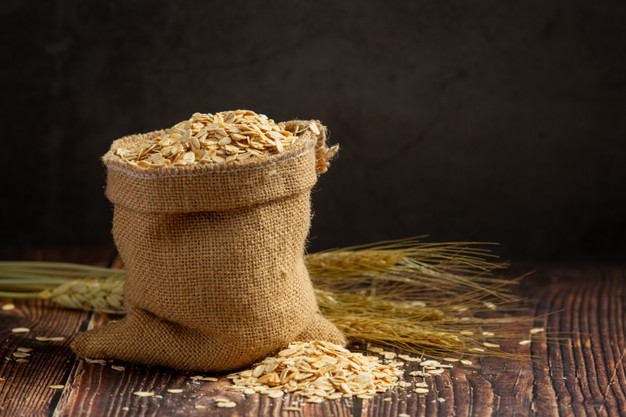
Forms of barley
Barley is available in various forms, which include –
Pearl barley
- This type of barley is partially steamed
- Its bran is removed
- It can cooked quickly
Hulled barley
- It is considered as the whole grain version of barley
- The outer layer of the barley is only removed, which is composed of inedible hull
- It takes long time to cook
Barley grits
- These are those products of barley, which are made up of cracked and toasted barley
- They contain several nutrients in varying range
Barley flakes
- These are sliced and flattened product of barley, which are produced by husking kernels of barley
- They can also cook quickly but contain comparatively less nutrients than pearled or hulled barley
Health benefits
Role on weight management
- Beta-glucan is an important fibre found in barley plays significant role in weight reduction
- It has seen that beta-glucan is responsible for forming a gel like substances within the intestine that eventually slows down the digestion as well as the absorption of nutrients hence promotes the feeling of fullness that helps to reduce appetite in many folds. As a result it helps to decrease food intake hence calorie consumption thus stimulates weight reduction
- It has seen that individuals who consume barley at breakfast experience reduced level of hunger at lunch as a result they ate lesser in lunch than other individuals who consume rice or whole wheat in their breakfast
- It significantly reduces serum lipid level and also prevents fat deposition within body thus its consumption is very effective for decreasing visceral fat percentage
Role on digestive health
- It plays significant role in boosting up the health of gastrointestinal tract
- Its fibre content is responsible for preventing constipation as it helps to increase bowel movement and also related with enhancing the volume and mass of stool that ultimately facilitates the defecation process
- The soluble fibre content of barley also acts as a feed for intestinal beneficial microbes and it also synthesize short chain fatty acid later in body, which helps to promote gut health and also helps to improve the symptoms of various gut disorders like irritable bowel syndrome, ulcerative colitis, Crohn’s disease etc
Role on hepatic health
- It plays significant role in preventing fatty infiltration of liver cells by reducing fat percentage in body thus decreases hepatic cell necrosis
- It helps to decrease the prevalence of fatty liver disease as well
- It also helps to promote hepatic functions
- Its cholesterol lowering activity is responsible for decreasing the risk of developing gallstones and also promotes the health as well as the functionality of gallbladder
- Its soluble fibre content also reduces the prevalence gallstone formation thus decreases the likelihood of gallbladder surgery
Role on blood cholesterol regulation
- Consumption of barley is very beneficial for decreasing blood cholesterol level
- Beta-glucan component of barley significantly decreases LDL concentration as it helps to bind it with bile acid and the body eventually eliminates bile acid through feces. On the other hand liver uses cholesterol for synthesizing new bile acids thus it helps to decrease the level of circulating cholesterol in body
- Fibre content of barley also helps to decrease the level of LDL or bad cholesterol as well as triglyceride in blood. On a contrary it helps to increase HDL level. Thus its consumption is considered as an effective way to maintain the proper ratio of LDL and HDL in body, which ultimately helps to maintain a healthy lipid profile