Eicosapentaenoic acid or (EPA), chemistry, its source, cardio protective effect effect, neuro-protective effect, hypolipidemic effect, hypoglycemic and other health benefits, therapeutic uses and risk factors
Description : Eicosapentaenoic acid or EPA is one type of omega 3 fatty acids. Basically omega 3 fatty acids
Article Details :
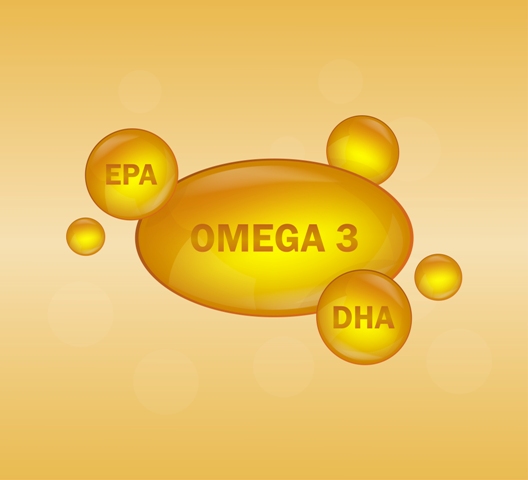
Eicosapentaenoic acid or EPA is one type of omega 3 fatty acids. Basically omega 3 fatty acids consist of three types, which include EPA (Ecosapentanoic acid), DHA (Docosahexaenoic Acid) and ALA (Alpha-linolenic acid). EPA and DHA are obtained from cold water fish whereas ALA is obtained from plant products like chia seed, hemp seed, walnut, flax seed etc. All of these three types of omega 3 fatty acids are extremely healthy and offer numerous health benefits.
EPA is considered as a healthy fat and its incorporation in diet is extremely beneficial for promoting overall health status. It has been traditionally used as an imperative therapeutic substance for cardiac health. It has seen that consumption of EPA significantly reduces the prevalence of cardiovascular diseases. It is also associated with promoting the growth and development of nervous system. It has been traditionally used to treat arthritis, depression and menopausal symptoms
Doctors as well as nutritionists have been encouraging people to consume fish in order to obtain a healthy heart and nervous system because fish contains significant amount of omega 3 fatty acids thus consumption of fish can easily meet the requirement of omega 3 fatty acids (especially EPA and DHA) in body and decreases the susceptibility of developing cardiac and neurological disorders
Chemistry
- It is an unsaturated fatty acid that means it contains double bonds in its structure
- It contains a fatty acid chain with 20 carbon molecules and also contains 5 double bonds. Its first double bond is placed at the third carbon from omega carbon end thus it is provided the name 20:5(n-3)
- It is also considered as an essential fatty acid. It cannot be synthesized by the body thus it should be consumed through diet for fulfilling its requirement
- It has the general formula of C20H30O2
- It acts as an important metabolic precursor to an important lipid named prostaglandin that helps in regulating inflammation, blood clot formation and blood flow
Sources
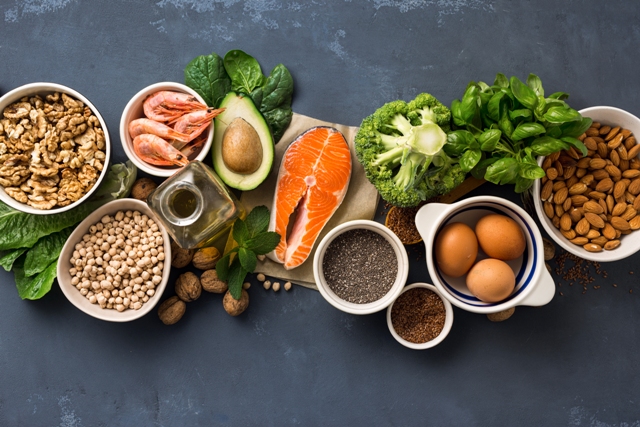
It can be consumed from natural sources whereas it can also be consumed through supplements but it is always better to focus on natural sources because prolong consumption of supplements may cause various health hazards.
Foods, which are rich in EPA, are listed below –
- Anchovies
- Halibut
- Albacore Tuna
- Herring
- Arctic Char
- Oysters
- Mackerel
- Black Cod
- Rockfish
- Sardines
- Trout
- Salmon
- Tuna
Health benefits
Role on cardiac health
- Consumption of EPA rich food or EPA containing fish oil supplements significantly decreases the risk of developing cardiovascular diseases
- It plays significant role in decreasing the concentration of LDL in body, which helps in lowering the risk of plaque formation within blood vessels by inhibiting fat depositions as a result helps in preventing blockage
- It is also associated with preventing the building up of calcium deposits in arteries thus helps in promoting blood flow as accumulation of calcium can narrow arteries and decreases blood flow
- It helps to reduce the prevalence of atherosclerosis as well, by preventing arterial hardening, which ultimately decreases the risk of developing coronary artery disease later in life
- It helps to prevent systolic pressure too
- It also helps in decreasing the prevalence of angina pectoris, myocardial infarction, heart attack and strokes
Role on lipid profile
- EPA plays significant role in decreasing the concentration of LDL and VLDL in body, which ultimately reduces the risk of developing various chronic diseases and helps to protect the body from the harmful effects of hypercholesterolemia
- Whereas it helps to improve the level of HDL that imparts a positive effect on health especially on cardiac health
- It is also associated with decreasing the concentration of triglyceride. Triglyceride is a very common type of fat present in blood. After eating, the body turns excess calories into triglyceride and stores them in the fat cells for further use. Excess triglyceride level is very harmful as it may increase the risk of cardiac disorders, hepatic disorders and pancreatic disorders thus it is better to consume EPA in order to reduce these complications
Role on nervous system
- It helps in the growth and development of both central and peripheral nervous system
- It has seen that children who consume EPA rich food are less susceptible to develop Attention Deficit Hyperactivity Disorder or (ADHD)
- It helps to protect the brain from oxidative damages and plays vital role in improving brain activity
- It helps in improving memory as well as cognition
- It is also associated with decreasing neuro-inflammation, which ultimately helps to inhibit the production of amyloid-β plaques in Read more