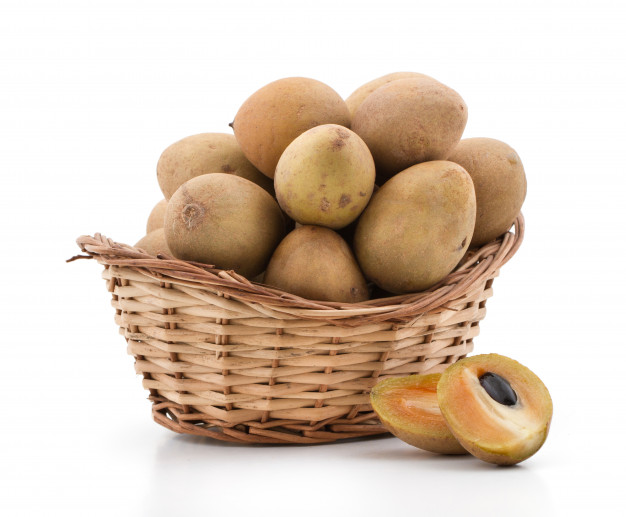
Sapota, micronutrient components, macronutrient components, phytonutrient components, antioxidant activity, anti-inflammatory activity, anti-carcinogenic activity and nutraceutical activity
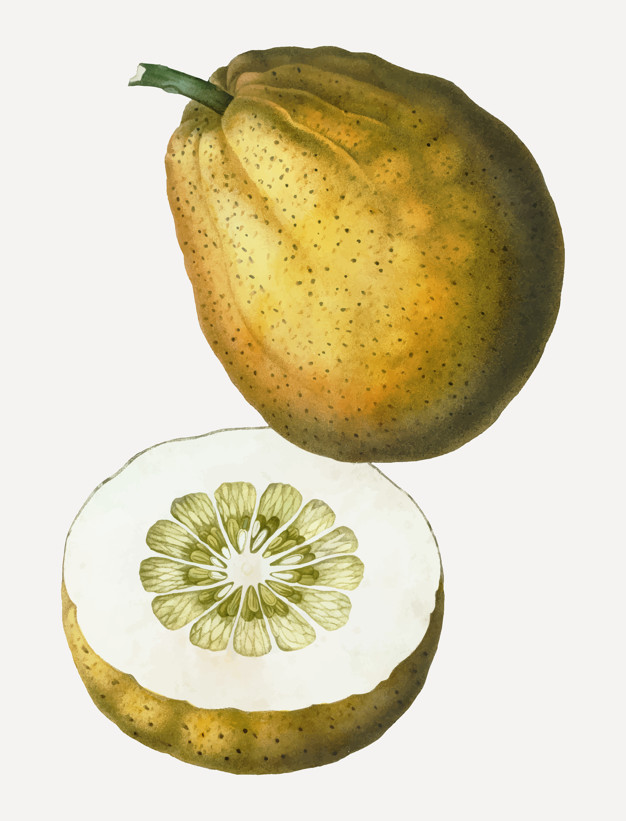
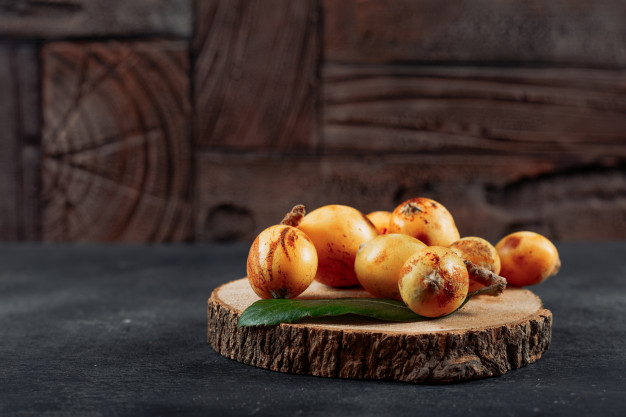
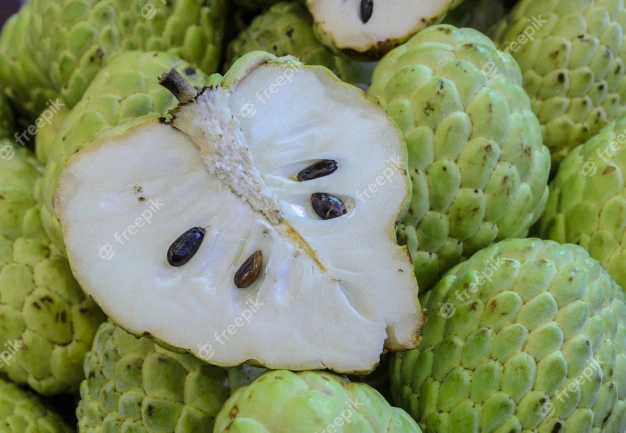
Description : Sapota is a nutrient dense delicious fruit belongs to Sapotaceae family. It is native to Central
Article Details :
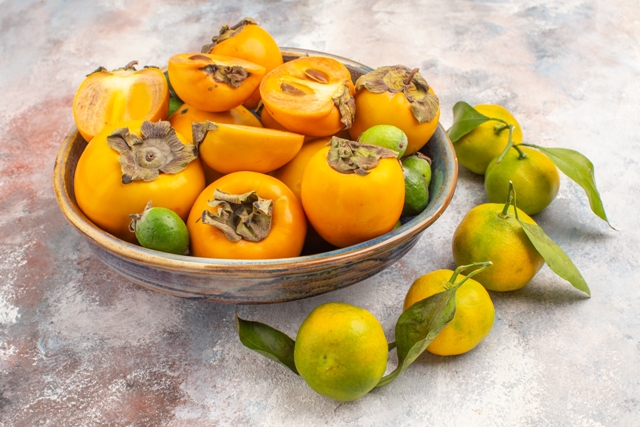
Sapota is a nutrient dense delicious fruit belongs to Sapotaceae family. It is native to Central America, Mexico and Caribbean island. It has been extensively used for various medicinal purposes.
Nutritional composition
- It contains desirable amount of carbohydrates and especially it is rich in glucose, fructose and sucrose
- It contains adequate amount of dietary fibre as well
- It contains lesser amount of proteins and fats
- It is packed with numerous essential micronutrients, which include, Vitamin A, E, K, C, B1, B2, B3, B5, B6, B9, sodium, potassium, calcium, phosphorus, iron, copper, zinc, selenium and magnesium
- It contains several phenolic compounds as well that exert various nutraceutical activities
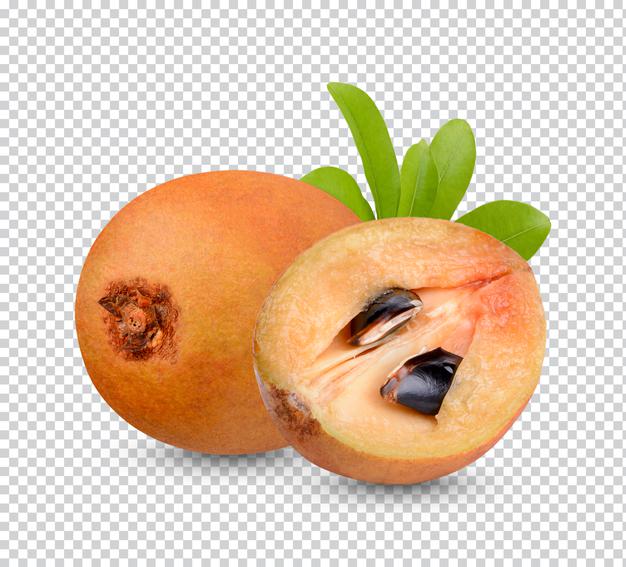
Biological activity
Antioxidant activity
- It is loaded with various imperative micronutrients that act as antioxidant and help to protect the body from the harmful effect of free radicals and reactive oxygen species
- Its consumption is also very beneficial for decreasing the risk of developing chronic diseases as it helps to prevent oxidative stress within body
- It helps to improve cellular functionality as well thus promotes well being
Anti-carcinogenic activity
- As it is associated with reducing oxidative stress thus its consumption is thought to be extremely effective for decreasing the prevalence of carcinoma, as oxidative stress is considered as one of the most leading causes of cancers
- Vitamin A and B Vitamins components of sapota are responsible for maintaining the healthy mucus lining, which ultimately helps to lessen the prevalence of oral cancer and lung cancer
- Its fibre content is also accountable for decreasing the risk of developing colon cancer, as it is related with increasing colonic motility or peristalsis
Anti-inflammatory activity
- Its phytonutrient components especially tannin exerts strong anti-inflammatory activity that help to prevent inflammation by decreasing the concentration of inflammatory mediators in body
- It also helps in preventing swelling and pain
Health benefits
Role on immunity
- Its Vitamin A, Vitamin C and polyphenolic components are accountable for strengthening the immune system, which ultimately helps to increase the resistance power of the body thus its consumption is thought to be very effective for decreasing the susceptibility of becoming ill
- Its antioxidant activity also helps to maintain the structural integrity and the activity of immune cells by protecting them from free radical induced oxidative damages
- It helps to shield the body from microbial attack as well, thus helps to decrease the prevalence of infectious diseases
- It is also very effective for preventing normal cold and flu
Role in digestive health
- It contains various imperative nutrients that help to improve digestive health
- Tannin is a natural plant compound present in sapota plays important role in neutralizing acid secretion within intestine
- Its antibacterial activity and anti-parasitic activity help in soothing the digestive tract thus helps to prevent irritable bowel syndrome and gastritis
- Its fibre content plays imperative role in preventing constipation by enhancing bowel movement, stool bulkiness as well as stool softness and leading to easy defecation
- Its fibre content is also accountable for improving colonic health as it stimulates peristalsis (mentioned above) and it also promotes gut health by enhancing the growth of intestinal beneficial microbes
Role on skeletal system
- It contains significant amount of calcium and phosphorus, both of the minerals are essentially required by the body for healthy bone formation. Apart from its calcium and phosphorus components, it has seen that sapota contains another two important micronutrients that also play vital role in improving bone quality, which include copper and iron thus it is better to include sapota in diet for maintain a healthy skeletal system
- It is closely related with increasing bone mineral density, which plays imperative role in improving bone mass as well as strength thus reduces the prevalence of bone disorders
Role on skin
- Vitamin A, C, E, and K found in sapota play vital role in rejuvenating skin cells
- It also helps to keep the skin hydrated
- Its polyphenolic components are accountable for protecting the skin from oxidative damages hence prevent ageing
- It helps to improve complexion too
- It also helps in improving skin elasticity
- It has seen that milky sap derived from sapota has been extensively used for clearing warts and fungal infections from skin